
Tel.:+86 15001980676E-mail:43998823@qq.com

Our Business

Explore tattoo equipment, needles, pigments and studio essentials. Confirm specifications and availability with our team.

Stories written in ink.
01

Stories written in ink.

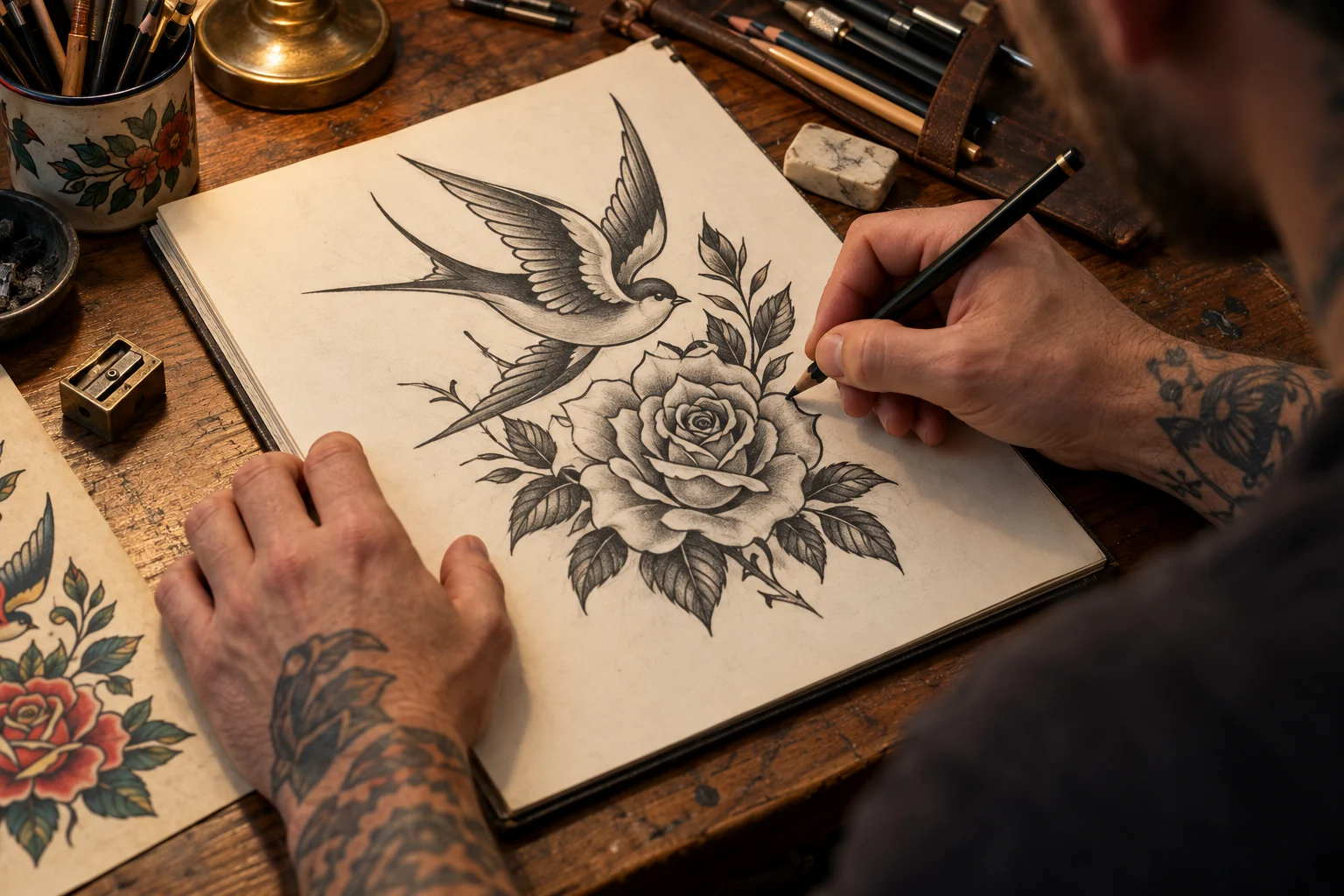
Stories written in ink. An introduction for artists, studio owners and industry buyers. A culture of personal stories Tattooing in the United States contains many communities and traditions. A useful introduction makes room for personal identity, family stories, artistic expression and the people who create the work. Describe an artist’s own practice rather than treating a whole community as one visual style. Service, memory and symbolism The Smithsonian’s discussion of World War II tattoo art shows how designs could express service, remembrance and belonging. Historical flash is a record of its period; new commercial artwork should have its own design and permission history. Many voices, many meanings Asian American perspectives add another dimension to the American conversation about tattoos, including questions of cultural identity and stigma. Credit the individual artist and context when presenting a style or story. Reading visual styles Build a portfolio around clear categories: American traditional, neo-traditional, black-and-gray, realism, fine line, lettering and geometric work. Explain composition and visual character without promising that every design suits every person. Show original work and distinguish fresh photographs from healed results. Your next idea starts here.
Tools move forward.
Craft stays personal.
02

Tools move forward. Craft stays personal.

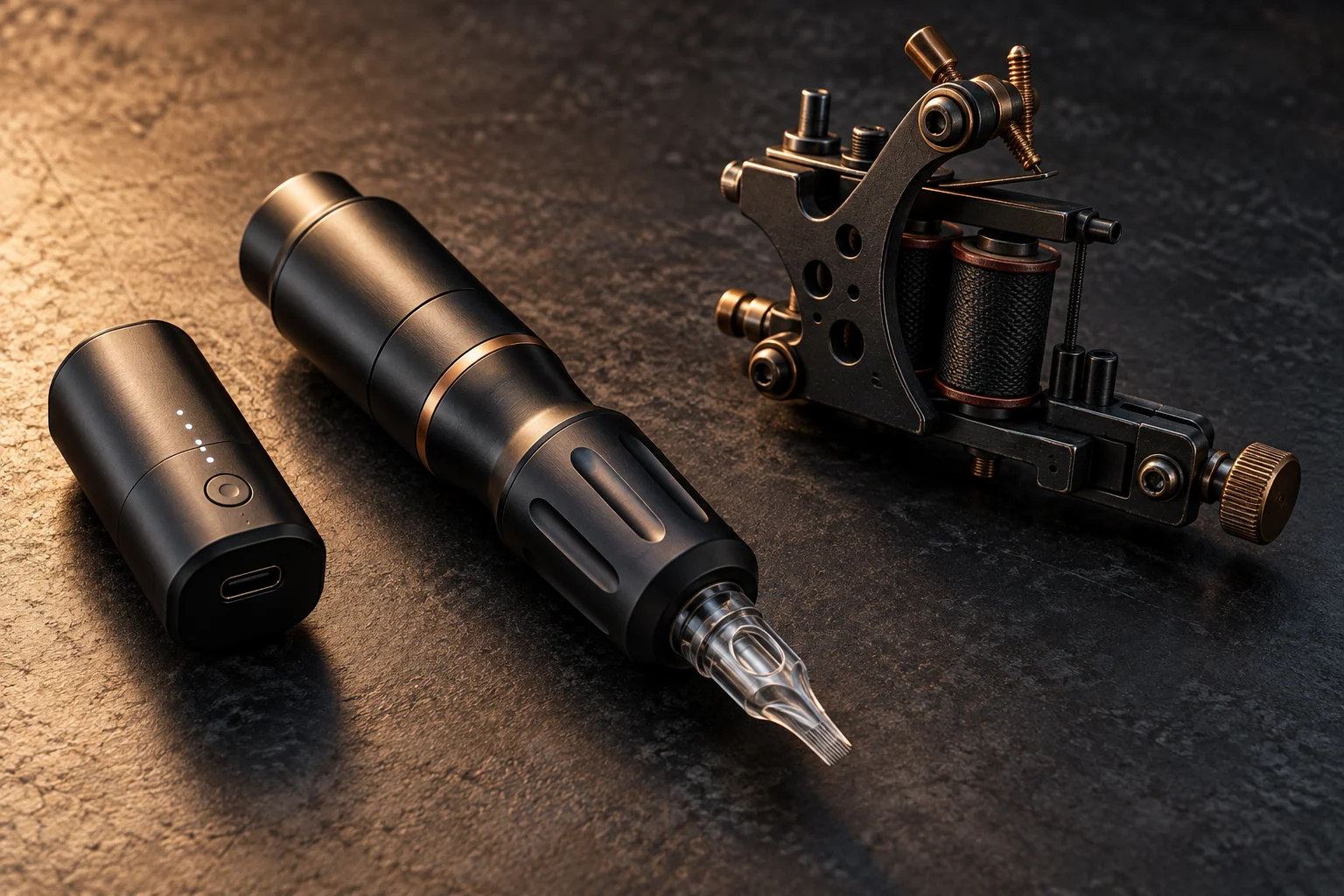
Tools move forward. Craft stays personal. An introduction for artists, studio owners and industry buyers. 1876 → 1891 → 1904: an inventive lineage The Smithsonian Lemelson Center traces a connection from Edison’s 1876 electric pen to Samuel O’Reilly’s 1891 tattoo-machine patent, followed by Charles Wagner’s 1904 coil-machine patent. These examples show how artists adapted mechanical ideas to their craft. Today’s equipment choices build on a long history of experimentation. From the machine to the working system A machine decision involves more than its appearance. Review the manufacturer’s specifications, compatible supplies, service arrangements and the artist’s established workflow. A product sheet should identify the exact model and supported parts. Wired, wireless and modular power Manufacturers now offer systems that can move between a cable connection and a detachable battery. FK Irons documents a modular example. Compatibility and available functions depend on the exact model; record the supported power module and charging equipment in the purchasing brief. Cartridges and ink delivery Cartridges are supplied in different groupings and construction formats. Cheyenne describes capillary features intended to manage ink within a cartridge. Use the maker’s compatibility chart and documentation when comparing products; a category image does not establish a particular product’s performance. Digital design and studio organization Drawing tablets, transfer printers, searchable portfolios and appointment tools connect the design and business sides of a studio. Useful selection criteria include export formats, consumable availability, permission controls and reliable backups. Documentation belongs beside the product The FDA treats intradermal tattoo inks as cosmetics, while tattooing practice is generally regulated locally. Its information also explains that no color additives are approved for injection into skin. Check current official guidance and supplier records before making a safety or approval claim. Your next idea starts here.

Build a studio people remember.
03

Build a studio people remember.

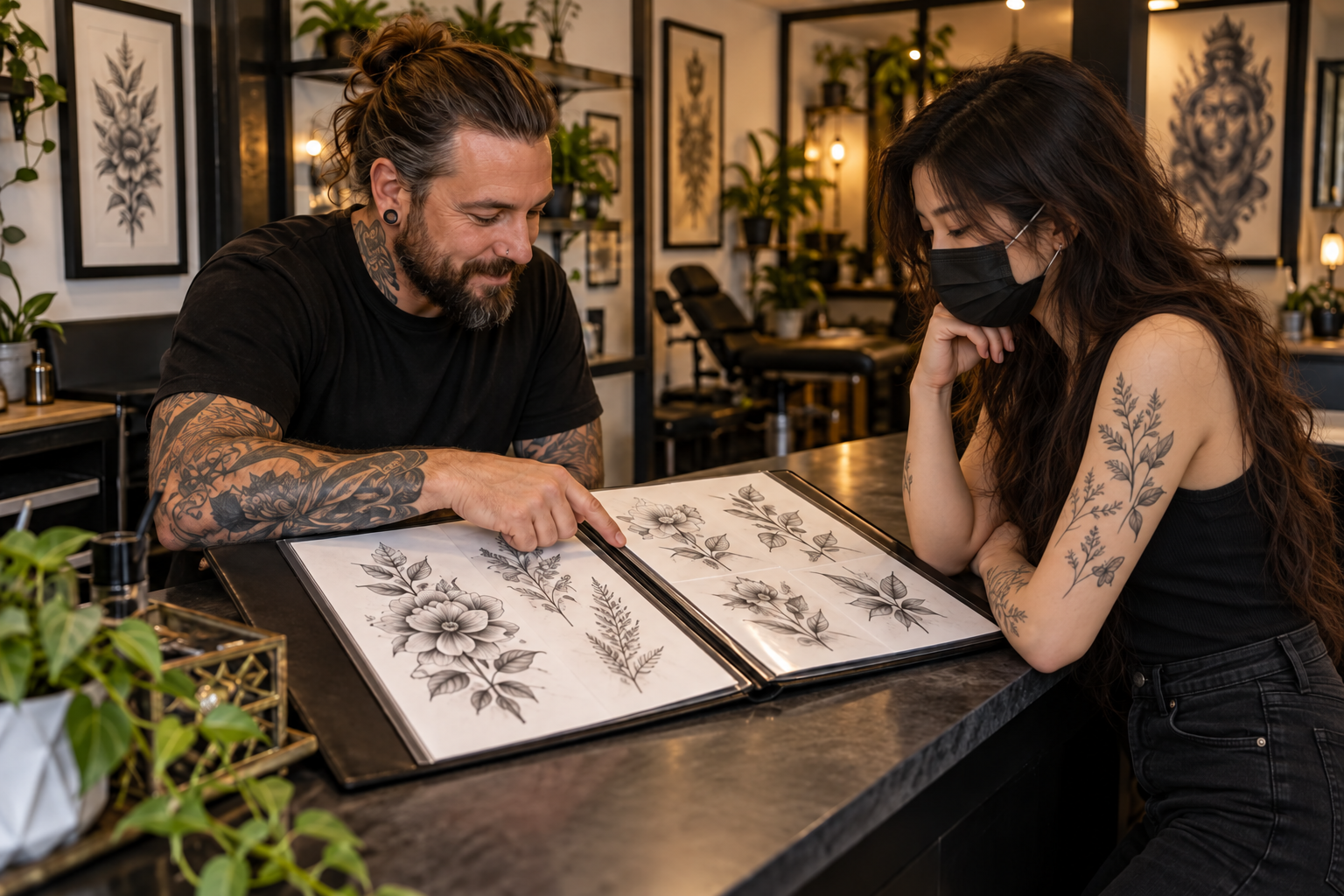
Build a studio people remember. An introduction for artists, studio owners and industry buyers. Show a clear artistic point of view Choose a focused portfolio structure and make consultation steps easy to find. Each project page can state the style, artist, design context and photographic stage. Publish a client’s image or story only with permission. Make local discovery useful Keep actual business information accurate and add clear photographs of the real studio. Google’s Business Profile guidance favors focused, well-lit photographs that represent the business. A template preview should never be presented as evidence of a studio’s actual premises or work. Ask for honest feedback Invite customers to leave honest reviews after a real interaction. Avoid rewards, selective pressure or promises of a positive rating. Build a response process that is useful and respectful, and move personal details to a private conversation. A four-week editorial rhythm Week one: explain your artistic focus and introduce the studio. Week two: publish a permission-cleared project story. Week three: answer common consultation questions. Week four: share availability and invite enquiries. Track qualified enquiries and consultation attendance rather than judging every post by likes. Separate studio and wholesale enquiries A studio enquiry needs design context and consultation availability. A supply enquiry needs product types, quantities, compatibility and delivery destination. Route them clearly and collect only the information needed for the next step. Put the plan into practice. Download a four-week content calendar with objectives, channels and review metrics. Your next idea starts here.